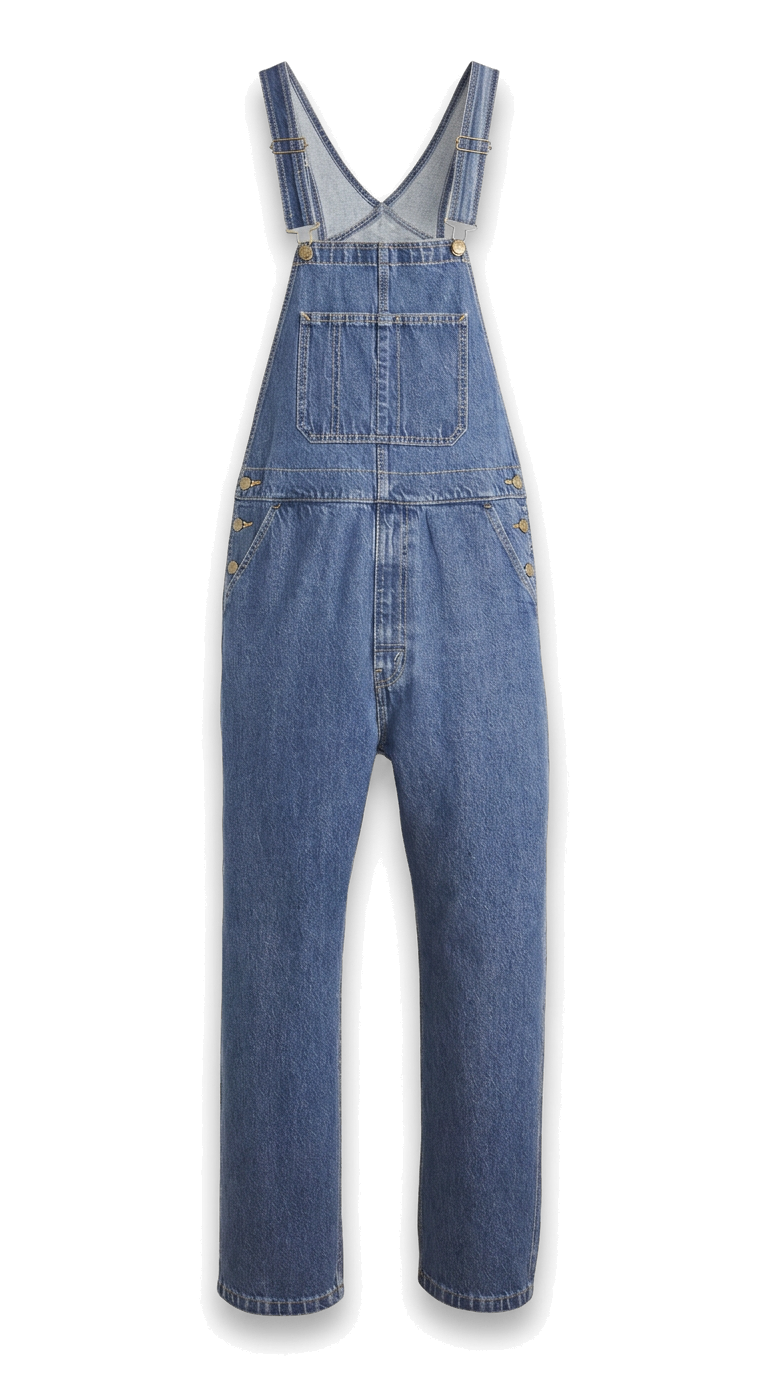
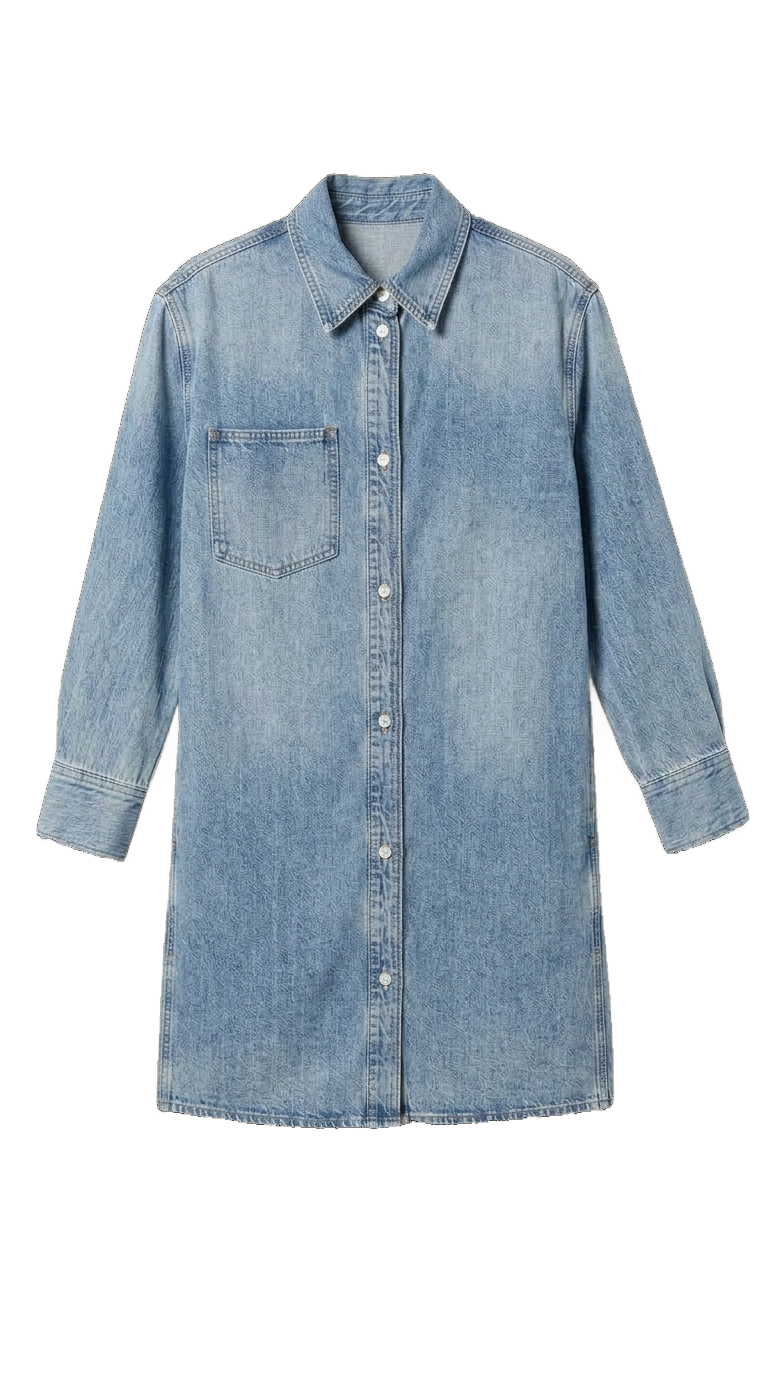
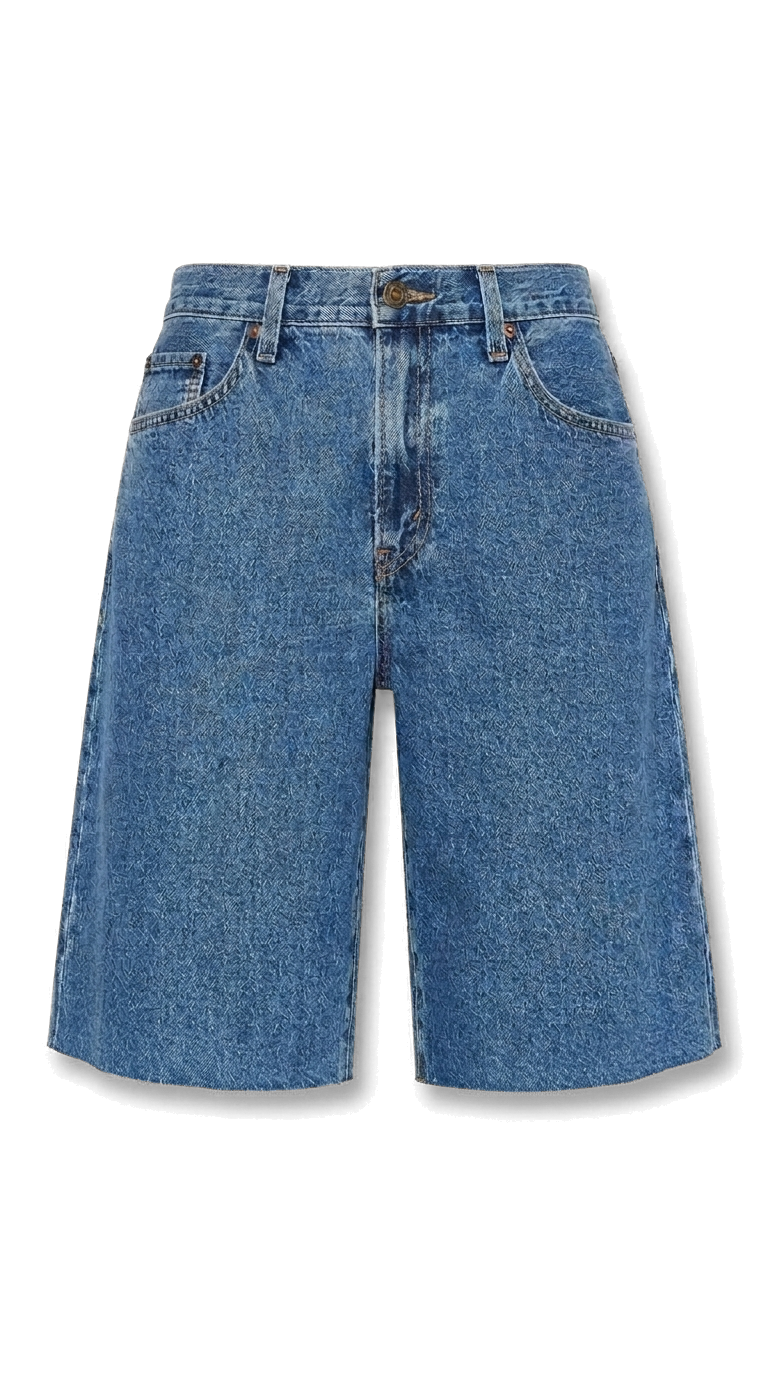
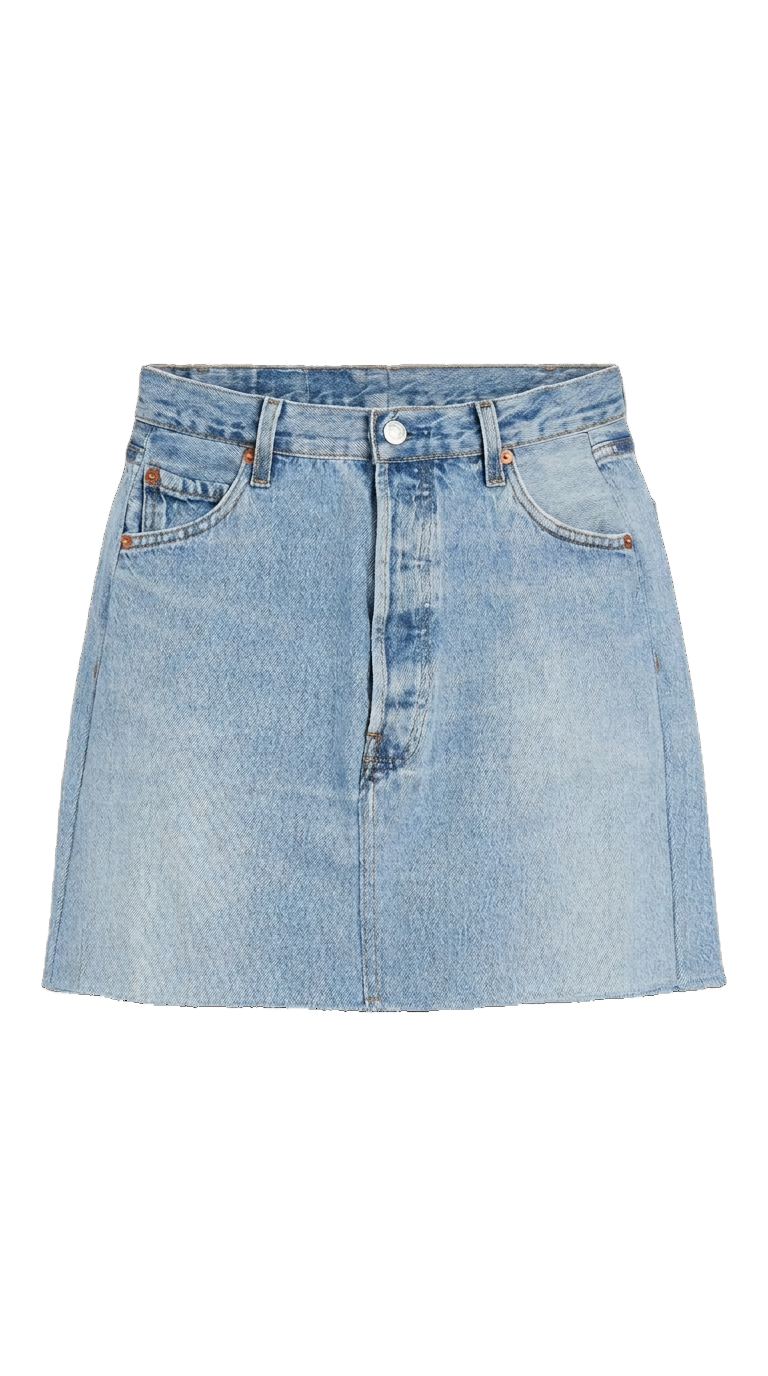
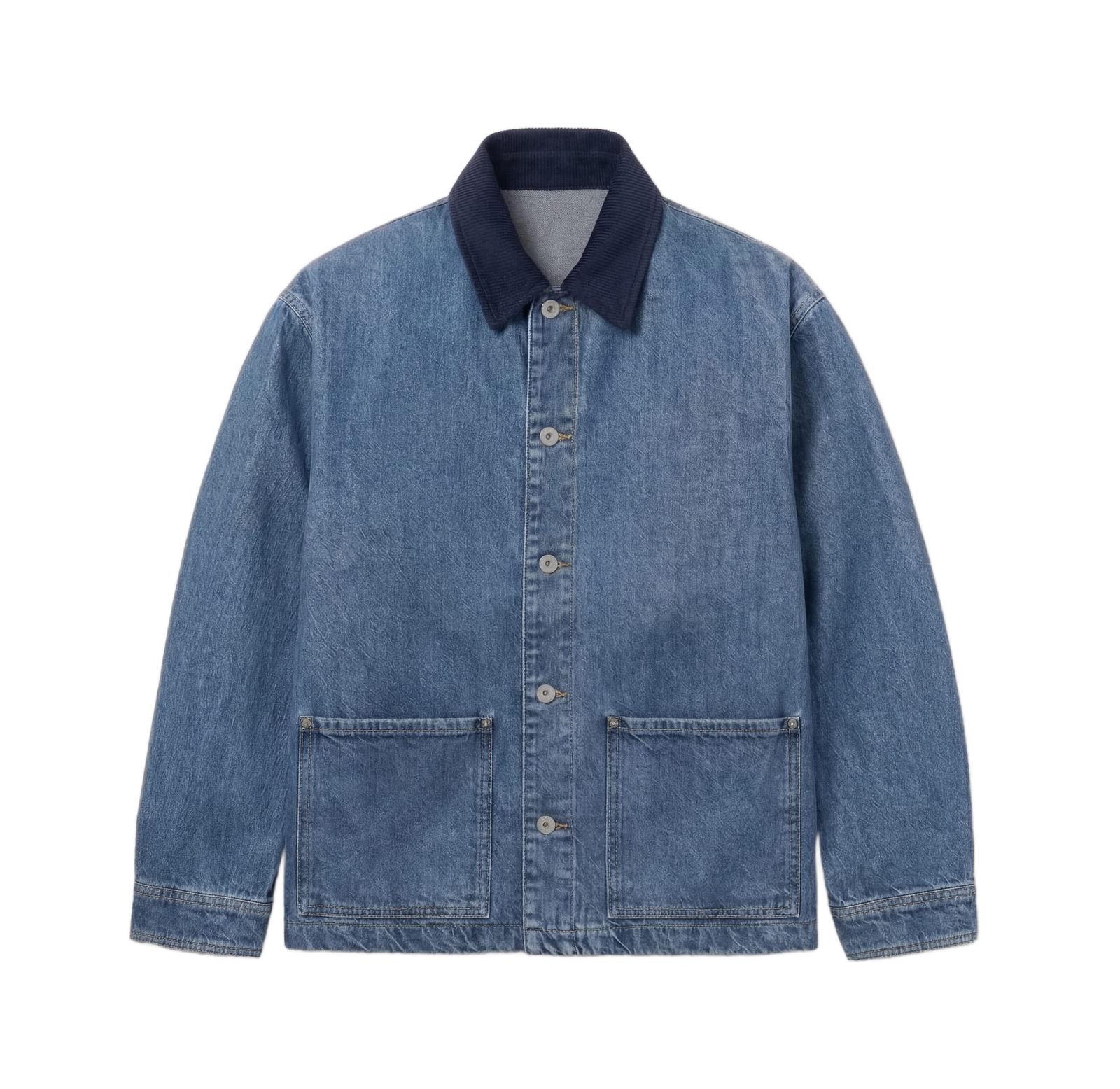
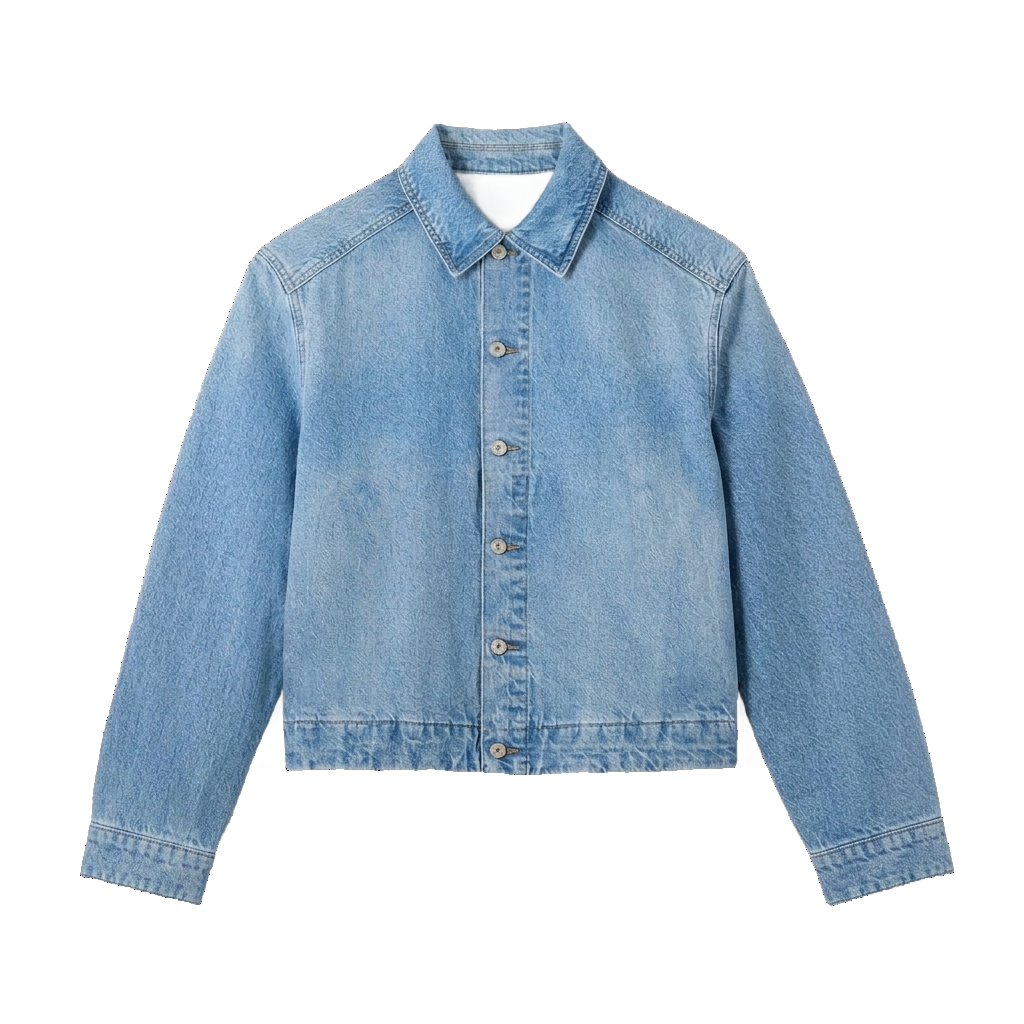
Discover with
Encyclopedia
Explore an extensive collection of garments curated by the community, featuring tailored filters and distinctive viewpoints.
Discover with
Encyclopedia
Explore an extensive collection of garments curated by the community, featuring tailored filters and distinctive viewpoints.

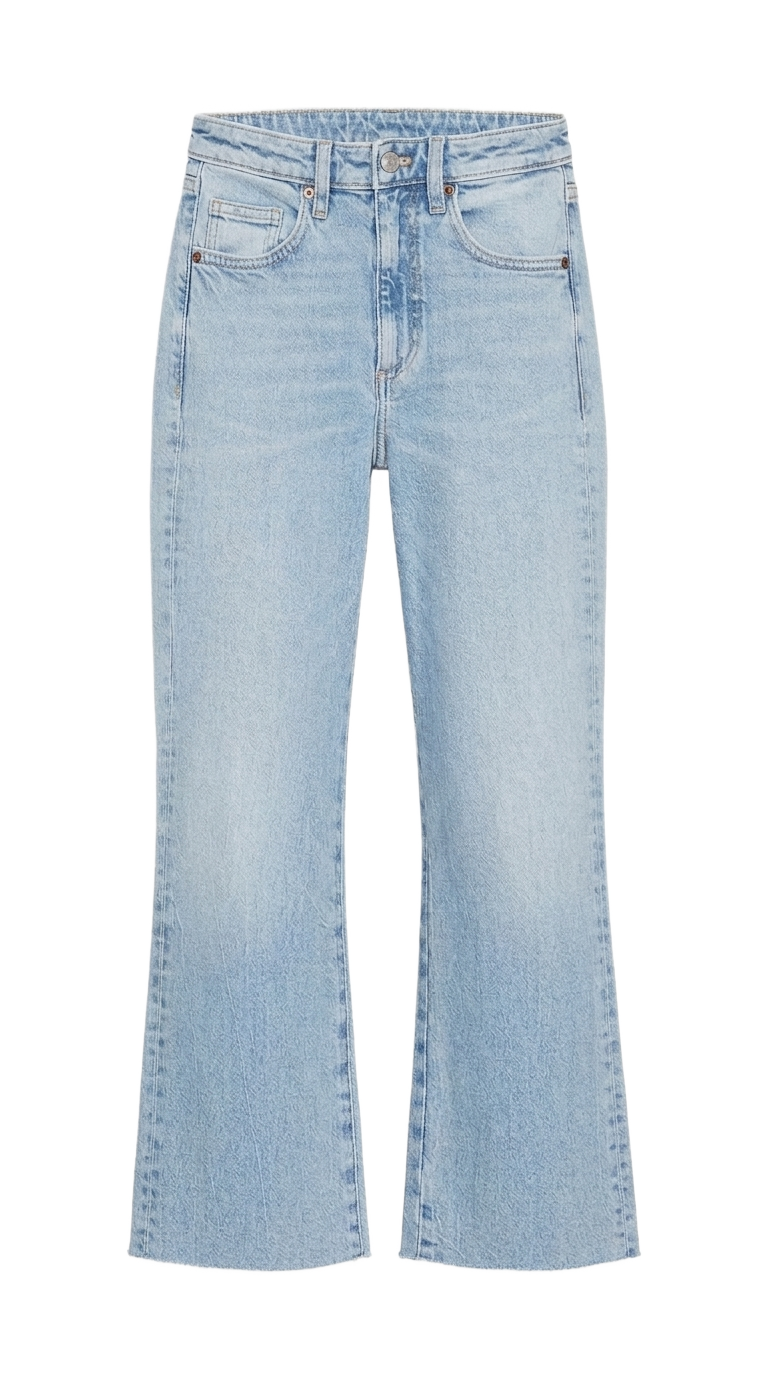
The same factories that produce for houses like Celine and Balenciaga can produce this piece, directly to you
GABI
Online now
Denim Pant
The same factories that produce for houses like Celine and Balenciaga can produce this piece, directly to you
GABI
Online now
Denim Pant
In 1873 Levi Strauss and Jacob Davis patented a pair of work trousers reinforced with copper rivets. They cost 22 cents to make. One hundred and fifty years later, a pair of jeans is the most produced garment on earth — 4 billion units a year. The same five pockets. The same rivets. The same twill weave. The only thing that changed is who decided they were worth $500.
The Story of Denim Jeans — "The Garment That Belongs to Everyone and No One"
There is no garment more democratic and more monopolised at the same time. Denim jeans were invented for people who worked with their hands. In 1873, Levi Strauss — a dry goods merchant in San Francisco — and Jacob Davis — a tailor in Reno, Nevada — filed US Patent No. 139,121 for 'Improvement in Fastening Pocket-Openings.' The innovation was copper rivets at the stress points of work trousers. The fabric was denim. The price was practical.
They were never meant to be fashion. They were meant to survive. For the first seventy years of their existence, jeans were workwear. Miners wore them. Farmers wore them. Railroad workers wore them. The denim was heavy, stiff, and indigo-dyed with a process that faded uniquely to the body of the wearer — the first truly personalised garment, though no one called it that at the time.
CMT stands for Cut, Make, and Trim — the labour cost covering cutting panels, sewing, and attaching trims including zip, rivets, buttons, and labels. Denim CMT is among the highest in the garment category because of fly construction, waistband assembly, riveting, and multi-panel precision.
A pair of jeans costs between $30 and $210 per unit landed, depending on fabric tier, wash development, and factory region. An affordable five-pocket jean in midweight denim from China with a rinse wash lands at approximately $30 per unit. A premium GOTS organic stone-wash jean from Turkey lands at around $53. A nettle denim innovation jean from Portugal with enzyme wash lands at approximately $50. Wash development is the single largest variable in denim cost after fabric.
Selvedge denim is woven on narrow shuttle looms (28–32 inches wide) that create a self-finished edge on both sides of the fabric. Regular denim is woven on wide projectile looms (58–60 inches) at much greater speed. Selvedge production is slower and more expensive but produces a tighter, denser weave with superior fade character. Japanese selvedge from mills like Kurabo and Kaihara is considered the finest denim in the world.
Then came Hollywood. In the 1950s, Marlon Brando wore jeans in The Wild One. James Dean wore them in Rebel Without a Cause. Suddenly the garment of manual labour became the uniform of American rebellion. Jeans were banned in schools, cinemas, and restaurants across the United States — which only accelerated their adoption by every young person alive.
Europe encountered denim through American soldiers and American cinema. In post-war Paris, a pair of Levi's was a status symbol. In post-war Italy, denim was the raw material of a new kind of style — fitted, faded, and entirely unlike the stiff American original.
"The jean is the only garment that gets better with age. Every wash, every fade, every tear is a record of the life of the person wearing it."
By the 1970s, designer denim had arrived. Calvin Klein put his name on the back pocket. The jean had moved from workwear to luxury — and the price point moved with it.
The 1980s brought stonewashing, acid washing, and distressing — industrial processes designed to make new jeans look old and lived-in. The authenticity of the original denim fade was being manufactured in chemical baths in 48 hours. The irony was entirely lost on the market.
In Japan, a counter-movement emerged. Weavers preserved and refined the original shuttle-loom techniques that American mills had abandoned for efficiency. Japanese raw denim became the most prized denim in the world. A pair of Japan Blue or Oni jeans today commands $300–$600 at retail. The Cone Mills White Oak plant — the last major American selvedge denim mill — closed in 2017. Japan had out-Americaned America.
Now a new chapter is opening. Conventional cotton denim uses approximately 7,500 litres of water per pair. The indigo dyeing process is one of the most chemically intensive in fashion. And the industry knows it.
Nettle fibre — harvested from the stinging nettle plant without irrigation, pesticides, or synthetic fertiliser — is emerging as one of the most credible denim alternatives. Already in production at premium mills, nettle denim delivers a hand feel close to linen with the structural integrity required for tailored woven construction. Hemp, not yet at scale in commercial denim milling, is following closely behind.
The global denim market exceeds $76 billion annually. Four billion pairs of jeans are produced every year. The five-pocket construction has not changed since 1873. What is changing is what they're made of — and who gets to make them.
For everyday commercial jeans, 10–12 oz midweight denim is the industry standard. Lightweight denim (6–9 oz) suits shirts, dresses, and summer jeans. Heavyweight denim (13–15 oz) is preferred for jackets, workwear, and heritage positioning. Always specify both weight and source mill because two fabrics of the same weight can perform very differently.
Denim wash refers to the chemical and mechanical finishing processes applied after construction to achieve the desired look. Common wash types include raw, rinse, stone wash, enzyme wash, and vintage or used look. Wash cost is priced per garment at the wash house and stacks on top of all other production costs.
Nettle denim is woven using fibre from the stinging nettle plant, which grows without irrigation, pesticides, or synthetic fertiliser. It delivers a hand feel close to linen with the structural integrity required for denim construction. It offers a credible zero-water, zero-pesticide story that conventional or organic cotton programmes cannot match.
Hemp denim is woven using cannabis sativa fibre, which requires less water than cotton, needs no herbicides, and naturally resists pests. Hemp is stronger than cotton and softens with wear, but it is not yet at commercial scale across most denim mills. It is the next likely innovation wave after nettle.
The MOQ for jeans is typically 1,000 to 3,000 units per style at standard Bangladesh factories. Through China it drops to 300 to 1,000. Through Turkey, Portugal, and Italy, and through network sourcing, MOQs can start at 50 to 200 units. Denim requires higher MOQs than jersey because wash batching is most efficient at volume.
Jeans manufacturing typically takes 40 to 130 days from order to delivery. Turkey is generally fastest for European delivery, China is mid-range, and Bangladesh and Japan are slower. Wash development adds 7 to 21 days depending on complexity.
The key certification tiers are conventional, organic non-GOTS, GOTS, and multiple certifications. GOTS is the most commercially credible single certification because it covers both organic cotton farming and chemical processing. BCI is a useful precursor but does not provide full chain-of-custody assurance.
The five-pocket jean construction originates from the Levi's 501 patent of 1873: two front scoop pockets, one coin pocket inside the right front, and two back patch pockets. It remains the industry standard. Variations are priced as basic or complex depending on added reinforcement or non-standard detailing.
Standard denim jeans use 5 to 8 rivets at stress points such as front pocket corners, coin pocket, and waistband bar-tack areas. Standard rivet application is included in base CMT unless rivets exceed 8, custom placement is required, or artisanal processes are specified. Rivet finish is a visible quality signal and should be specified clearly.