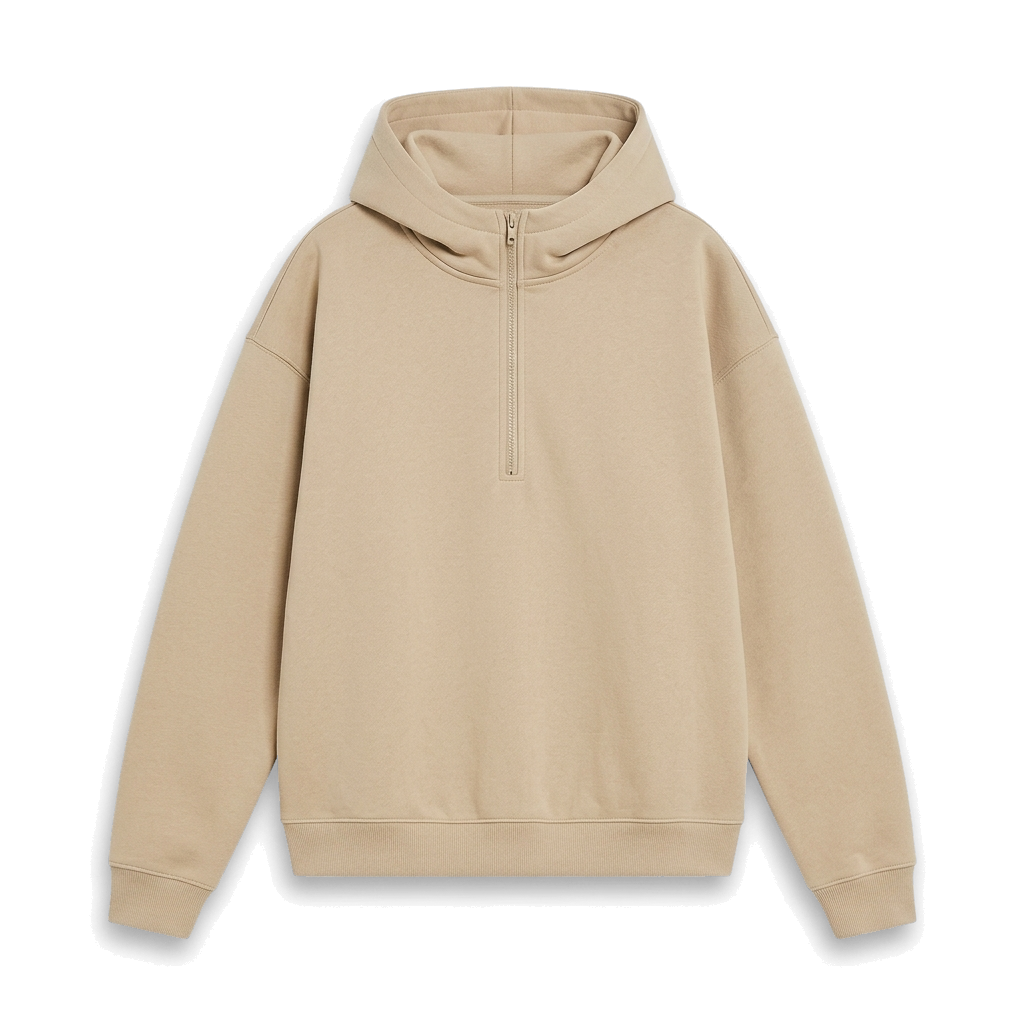
Discover with
Encyclopedia
Explore an extensive collection of garments curated by the community, featuring tailored filters and distinctive viewpoints.
Discover with
Encyclopedia
Explore an extensive collection of garments curated by the community, featuring tailored filters and distinctive viewpoints.

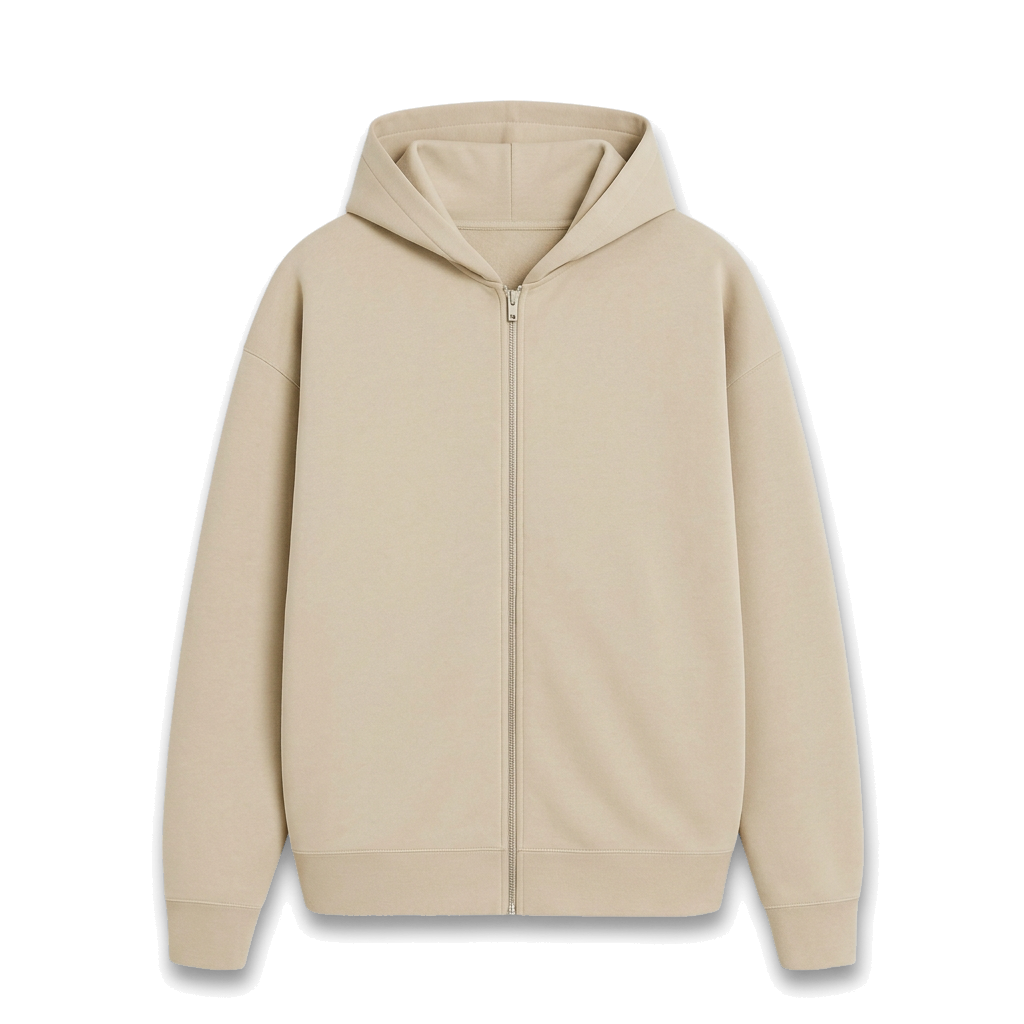
The same factories that produce for houses like Celine and Balenciaga can produce this piece, directly to you
GABI
Online now
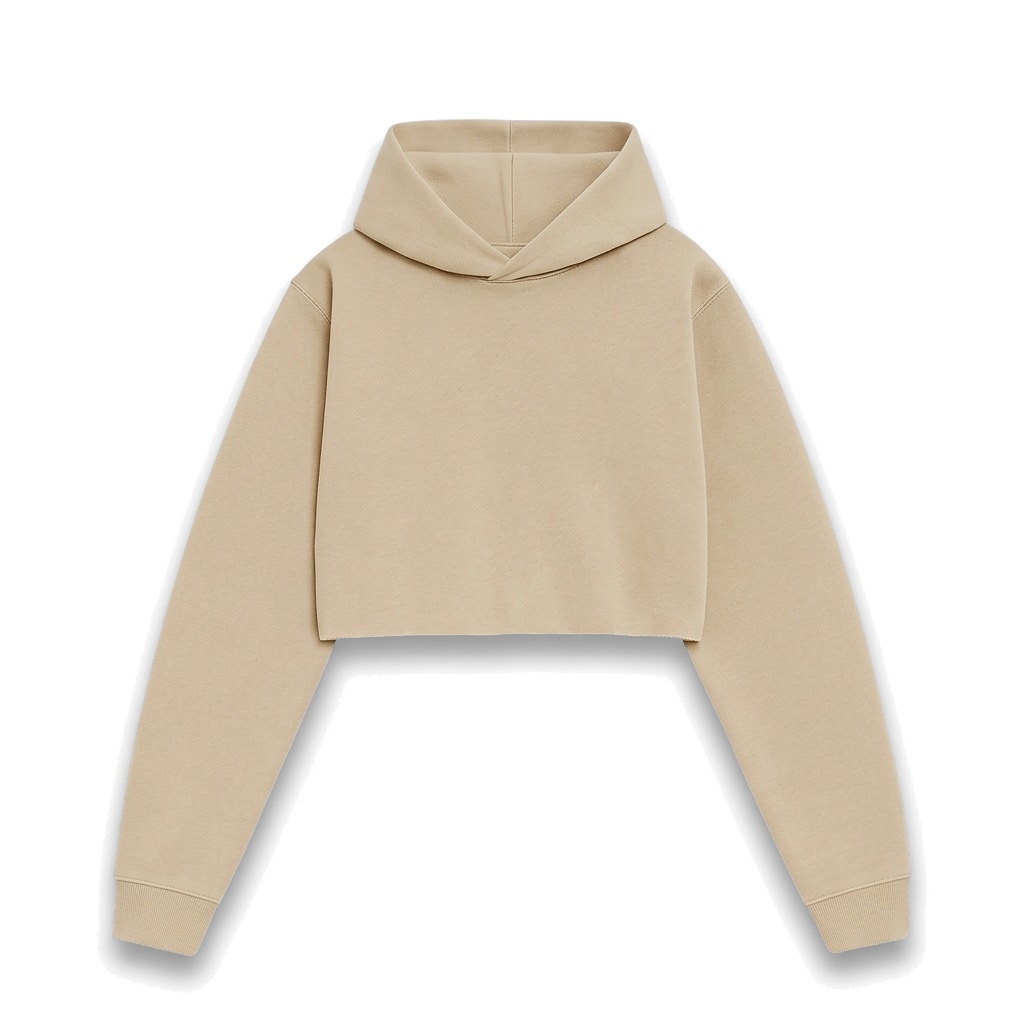
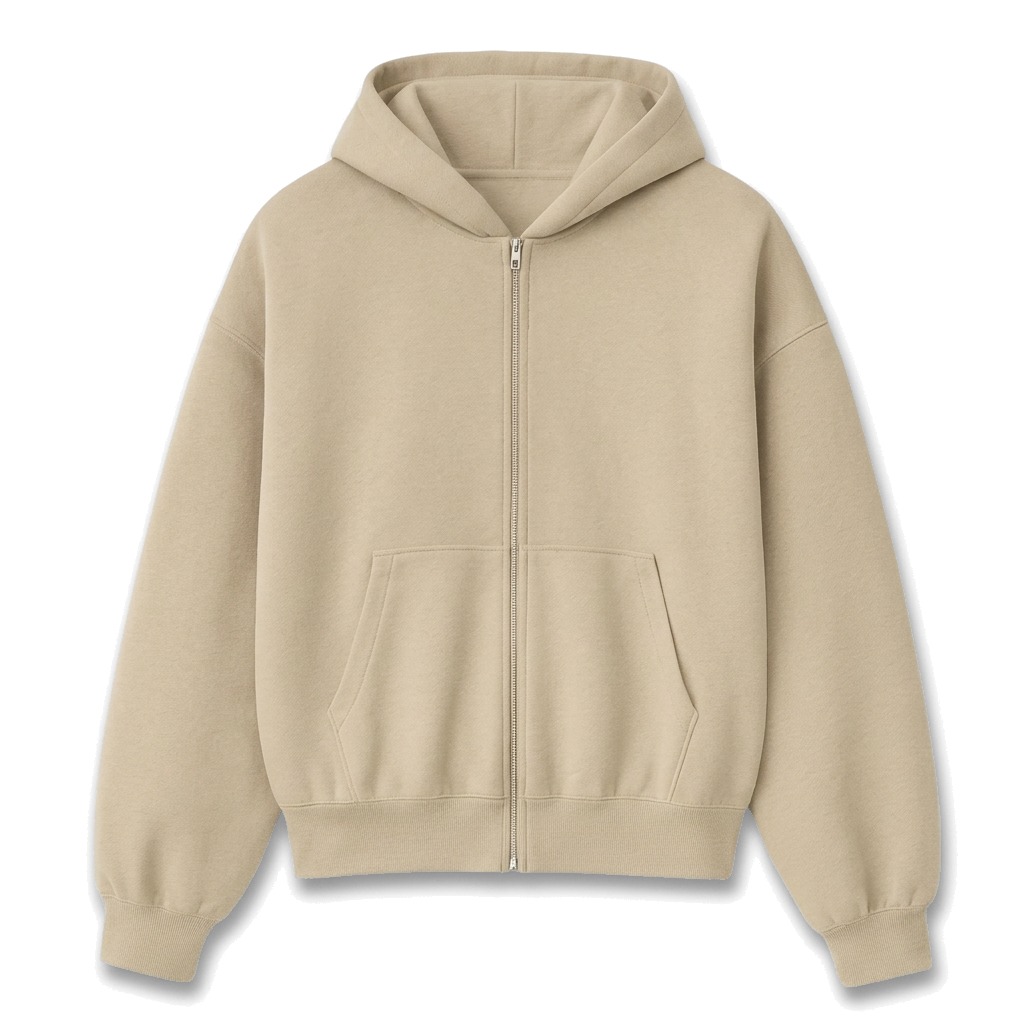
zip hoodie
The same factories that produce for houses like Celine and Balenciaga can produce this piece, directly to you
GABI
Online now
zip hoodie
The hoodie wasn't born in a streetwear lab or a Silicon Valley boardroom. It's over 3,000 years old — worn by monks, laborers, and rebels long before Champion stitched the first modern version in the 1930s. Today it's a $200 billion global market. And still, nobody owns the design. The most powerful garment in the world is completely open source — and yet a handful of giants keep all the money. That's the monopoly Sparkit is here to break.
The Story of a Hoodie
The hoodie did not begin as fashion. It began as protection. In ancient Greece and Rome, laborers wore hooded cloaks to shield themselves from sun, wind, and rain. In the Middle Ages, monks adopted the hood as part of their robes — a symbol of modesty, discipline, and separation from the world. The hood carried meaning long before it carried branding.
By the 1930s, the Knickerbocker Knitting Company — now Champion — created the first modern hoodie by attaching a hood to a sweatshirt for warehouse workers and athletes training in cold conditions. They introduced reverse-weave cotton to prevent shrinkage, a construction innovation that remains a benchmark in premium hoodie manufacturing today.
Pilling is caused by fiber friction, especially in fleece fabrics. Prevent it by specifying anti-pill treatment, using combed ring-spun or long-staple cotton, and avoiding polyester blends above 20%. Anti-pill finishing is one of the highest ROI upgrades in hoodie production.
A hoodie costs between $32 and $60 per unit landed, depending on material tier and factory region. A standard conventional cotton fleece hoodie at 300 units from China lands at approximately $32–$38 per unit. Premium hoodies using GOTS-certified organic cotton from Turkey land at $50–$65 per unit. Hoodies are more expensive than T-shirts due to higher fabric consumption, more complex construction, and additional trims.
300–340 GSM combed ring-spun cotton fleece or French terry is the standard. Fleece (brushed interior) provides warmth; French terry (looped interior) is lighter and more versatile. Regenerative or organic cotton is preferred for premium positioning. Cotton/polyester blends should only be used when price is the priority.
The hoodie's cultural transition began in the 1970s and accelerated through the 1980s and 90s. Rocky Balboa running through Philadelphia in a grey hoodie turned it into a symbol of grit and perseverance. Hip-hop culture transformed it again — into identity, rebellion, and self-expression. The hoodie became a canvas, not just a garment.
In the 2000s, the power dynamic shifted. Silicon Valley replaced tailoring with comfort. Founders wore hoodies to boardrooms and investor meetings. The garment moved from rebellion to authority. The same silhouette meant something entirely different depending on who was wearing it.
Today, the hoodie exists across every price point — from $20 basics to $1,200 luxury runway pieces. The construction is fundamentally unchanged: a knit body, ribbed cuffs and hem, a hood, and a drawstring. What changes is everything around it — fabric quality, GSM, finishing, and brand positioning.
The hoodie is one of the most commercially powerful garments in the world because it is both universal and expressive. Everyone owns one. No one owns the design. The barrier is not invention. It is execution.
280–340 GSM for standard hoodies, 240–280 GSM for lightweight styles, and 360–480 GSM for premium heavyweight streetwear. GSM is the clearest signal of hoodie quality — below 260 GSM reads as low-tier.
Typically 300 to 500 units per colourway at standard factories. Smaller runs of 50–100 units are possible through specialist networks. Hoodies generally have higher MOQs than T-shirts due to construction complexity.
Between 33 and 100 days from order to delivery. China: ~60–87 days total. Turkey: ~33–55 days. Zip or lined hoodies add 3–7 days to production time.
French terry has a smooth outer face and looped interior — lighter and suitable for year-round wear. Fleece has a brushed interior — warmer, softer, and heavier. Both use similar construction, but fleece consumes slightly more fabric.
Luxury hoodies use 380–480 GSM long-staple cotton with full finishing (enzyme wash, silicone softener, anti-pill, garment dye). High street versions use lighter blends with minimal finishing. The difference is material and finish, not pattern.
A 2-panel hood uses two pieces and is the standard construction. A 3-panel hood adds a centre panel, creating a more structured, premium shape. It adds ~8% to CMT and is standard in premium hoodies.
Specify an anchor stitch at the centre back of the hood tunnel. Without it, the drawstring can retract fully into the hood. Also specify tunnel width relative to cord diameter.
Yes. It provides the strongest sustainability credential with no performance trade-off. Hoodies are high-visibility garments, making them ideal for communicating regenerative sourcing.
CMT stands for Cut, Make, and Trim — the core labour cost. For hoodies, it ranges from $8–$12 at affordable tier to $22–$35 at luxury tier. Hoodies have ~2.5× higher CMT than T-shirts due to construction complexity.