Discover with
Encyclopedia
Explore an extensive collection of garments curated by the community, featuring tailored filters and distinctive viewpoints.
Discover with
Encyclopedia
Explore an extensive collection of garments curated by the community, featuring tailored filters and distinctive viewpoints.

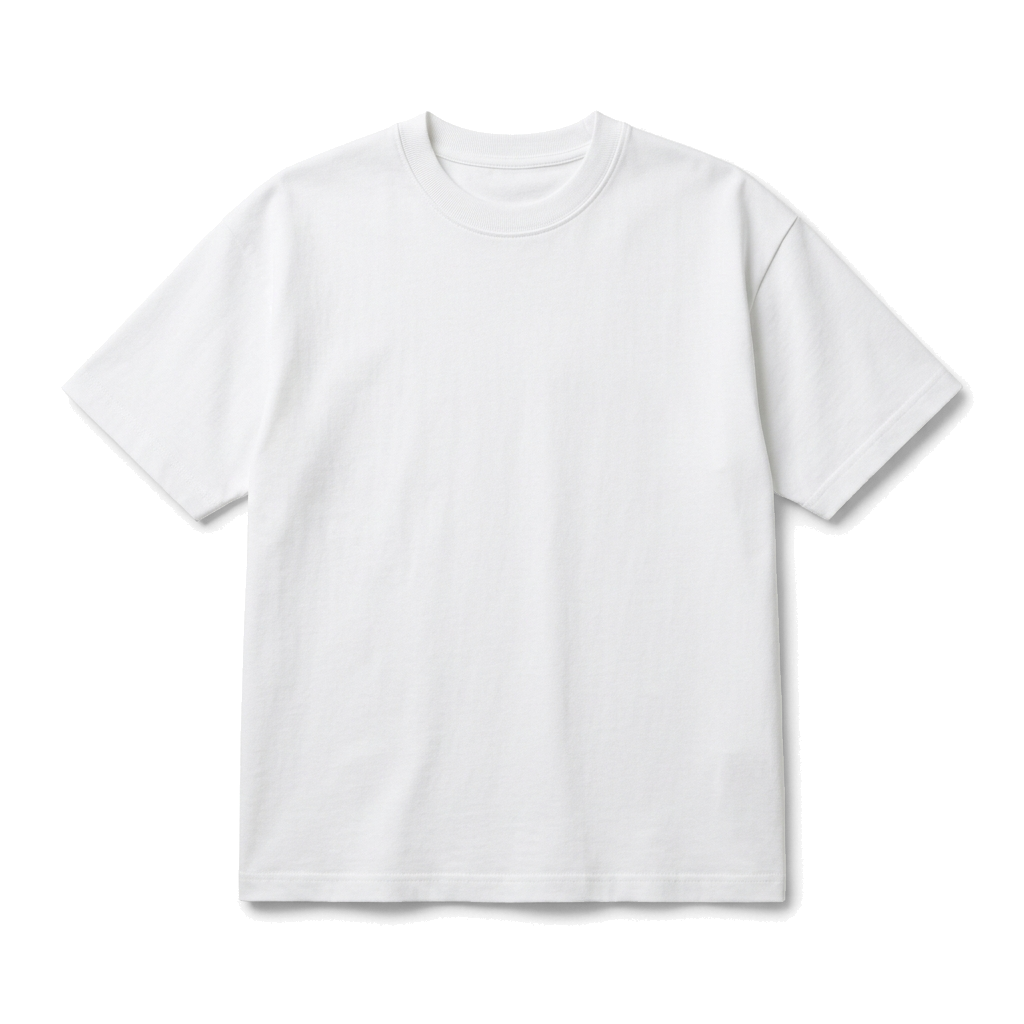
The same factories that produce for houses like Celine and Balenciaga can produce this piece, directly to you
GABI
Online now
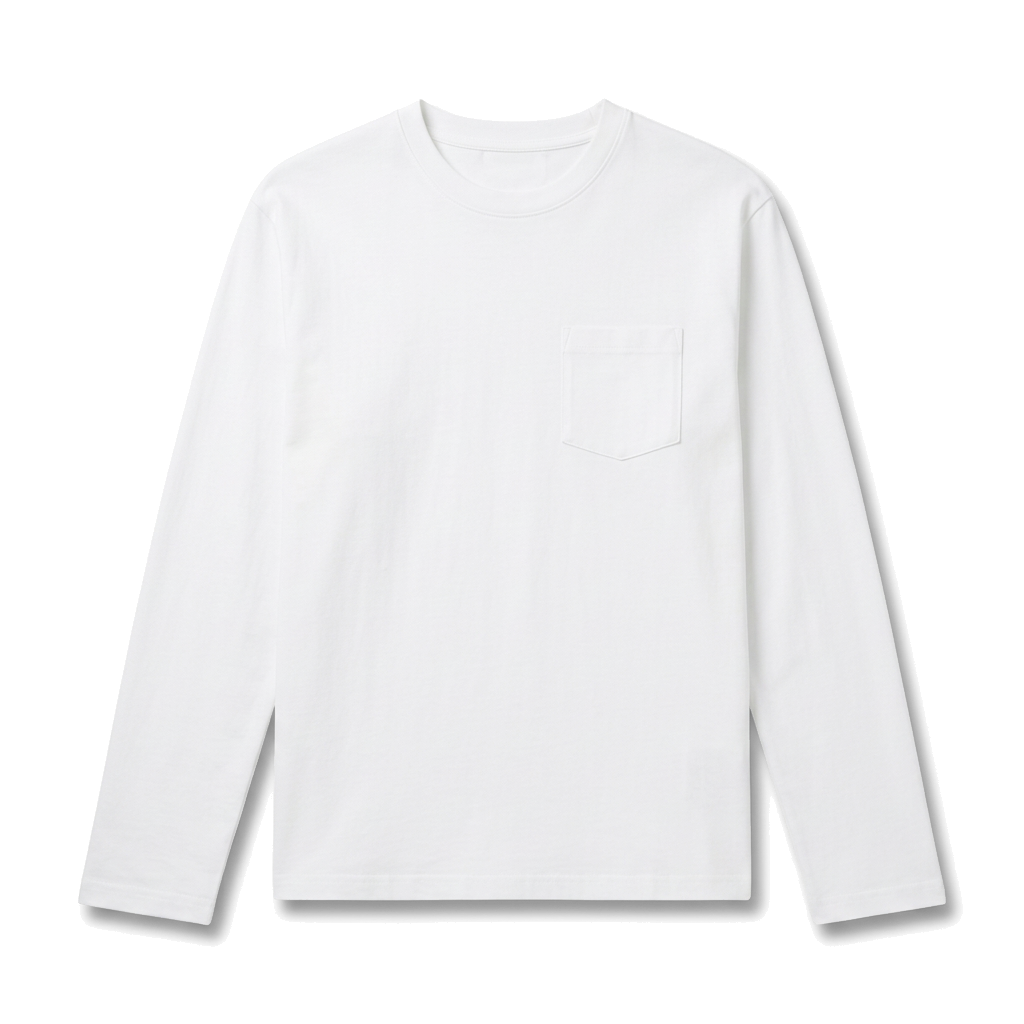
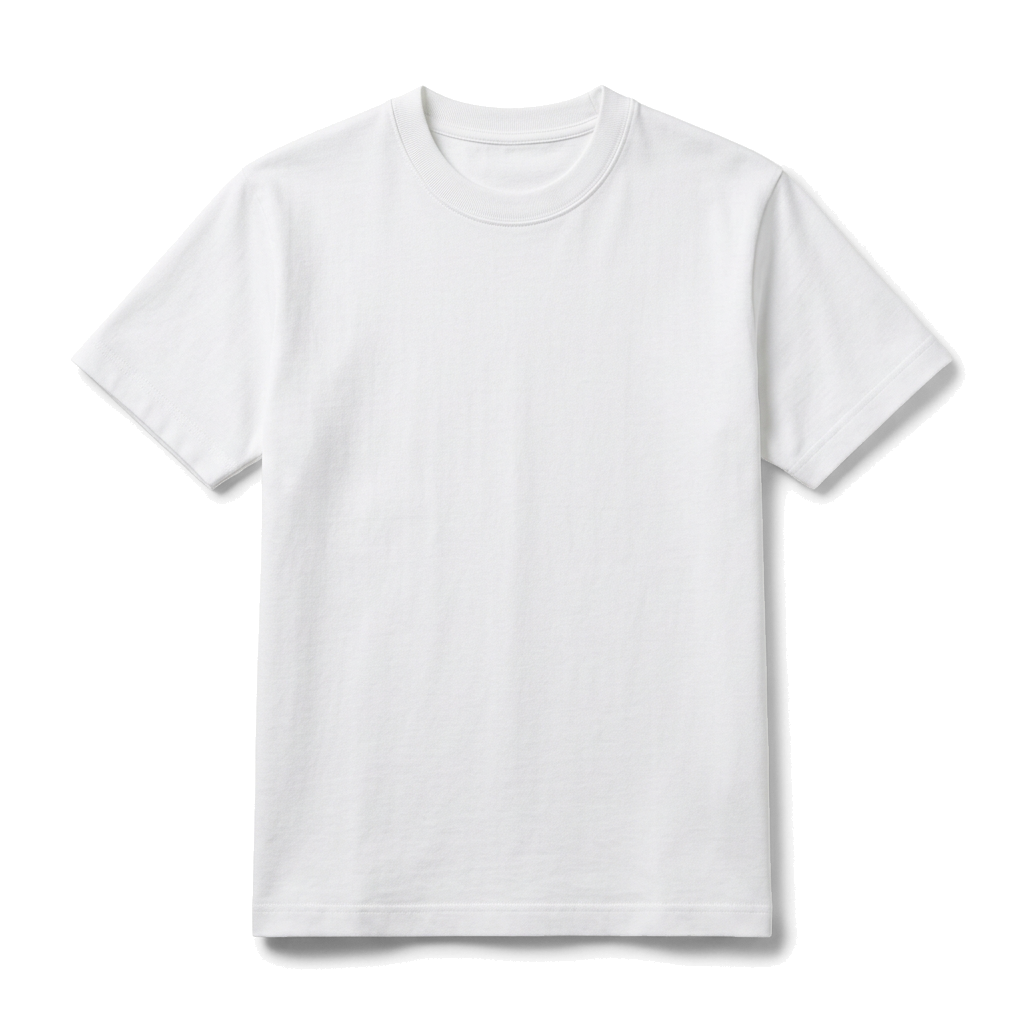
Relaxed Boxy T-shirt
The same factories that produce for houses like Celine and Balenciaga can produce this piece, directly to you
GABI
Online now
Relaxed Boxy T-shirt
The T-shirt was born as underwear. For a hundred years, it was hidden under shirts, worn by soldiers and sailors, invisible to the world. Then Marlon Brando put one on screen in 1951 — and everything changed. Today the T-shirt is the most produced garment in human history. 2 billion units a year. And the first thing almost every independent fashion brand ever makes.
The Story of the T-Shirt — "From Underwear to Everywhere"
Did you know the T-shirt was originally underwear — and today it's the most ubiquitous item in the world's wardrobe, with more than 2 billion produced every year? It began in the late 1800s, when laborers cut their heavy one-piece underwear in half to stay cool. In the 1890s, the cotton pullover still looked scandalously like underwear. Wearing it in public was considered improper — even illegal in some places.
In Havana, lawmakers went so far as to ban anyone from appearing in public wearing an underwear-like top, forcing laborers to work in long-sleeve buttoned shirts under the tropical sun. In 1904, the Cooper Underwear Company launched the first bachelor, button-free undershirt — simple, practical, and comfortable. F. Scott Fitzgerald didn't invent the T-shirt, but he gave it a name, which first appeared in 1920 in This Side of Paradise. The term T-shirt came purely from its shape — when laid flat, its silhouette looked like a capital letter T.
A T-shirt costs between $13 and $28 per unit landed, depending on material tier and factory region. Standard conventional cotton at 300 units from China or Vietnam lands at approximately $13–$16 per unit, including fabric, CMT, trims, finishing, freight, and duties. Premium T-shirts using GOTS-certified organic cotton land at $20–$28 per unit at the same volume.
The best fabric for T-shirt manufacturing is 100% cotton jersey, with regenerative or organic cotton preferred for quality and sustainability. Regenerative cotton at 160–200 GSM delivers identical performance to conventional cotton while actively restoring soil health. Cotton/polyester blends should only be used when price is the absolute priority.
A standard T-shirt should be 160–200 GSM for everyday wear, 120–150 GSM for lightweight or layering styles, and 220–260 GSM for premium streetwear or oversized fits. GSM is the single most tangible signal of quality — a 180 GSM tee feels fundamentally different from a 130 GSM version even in identical construction.
Then came Hollywood. In 1951, Marlon Brando wore a tight white T-shirt in A Streetcar Named Desire — raw, magnetic, rebellious. A few years later, James Dean made it immortal in Rebel Without a Cause. The T-shirt broke free from underwear to outerwear — the new symbol of rebellion, youth, and freedom.
A garment designed for invisibility became the most visible thing in the room. By the 1960s and 70s, the T-shirt evolved into more than a plain white tee — it became a billboard you could wear. Advances in screen printing made it easy to splash images and slogans across cotton fabric. Rock bands printed their logos. Protestors printed their beliefs. In 1973, The New York Times dubbed the T-shirt the medium for the message.
The 1980s brought the T-shirt into luxury. Armani, Ralph Lauren, and Calvin Klein put their names on T-shirts and charged accordingly. Today Balenciaga and The Row send tees down runways priced above $400. The garment hasn't changed. Everything around it has.
The modern T-shirt market produces approximately 2 billion units annually — the highest volume of any single garment category on earth. A $3 fast fashion tee and a $400 Margiela tee are technically the same garment. What separates them is everything that happens before cutting — the cotton source, the yarn quality, the GSM, the finish.
The T-shirt is really the canvas of the 21st century. It is your second skin. And what people really don't understand is that there is a monopoly on this phenomenon called the T-shirt — which should absolutely become open source. This is what Sparkit is doing. Giving you the power to design like a professional, create like a professional. The fashion industry runs on a broken system built for volume, not for the individual with an idea. What it needs is a complete redesign: a shared pool of materials always available, no prediction, no guesswork, no dead stock, no waste, and real-time, on-demand, minimum-waste manufacturing.
The minimum order quantity for T-shirts is typically 300 to 500 units per colourway at standard factories, though smaller runs of 50 to 100 units are accessible through specialist networks like Sparkit. Blank jersey basics can be sampled from as low as 12 units.
T-shirt manufacturing takes between 28 and 93 days from order to delivery, depending on production region and shipping method. China is fastest for sampling at 3 to 5 days for a standard crewneck; full production plus sea freight to the UK totals 53 to 82 days. Turkey offers the fastest European delivery at 28 to 46 days total.
The difference between a luxury and a fast fashion T-shirt is almost entirely in the material, not the construction. Luxury T-shirts use long-staple cotton at 200 GSM or above with premium finishes. Fast fashion typically uses 130 to 160 GSM cotton/polyester blends that are cheaper but contain petrochemical fibres and produce a noticeably thinner, less durable garment.
Fitted and oversized T-shirts cost almost the same to manufacture, with the main difference being $0.50 to $1.00 more in fabric per unit for the oversized silhouette. CMT labour is within 5% between the two styles. The cost difference comes from fabric consumption: oversized uses approximately 0.95 to 1.05 metres versus 0.80 to 0.85 metres for fitted.
Yes, regenerative cotton is worth the premium for brands in the premium or luxury tier, because it delivers the strongest sustainability credential in fashion without any trade-off in garment performance. It performs identically to conventional cotton in weight, handle, printability, and wash durability. Regenerative is the most credible sustainability credential in fashion, ahead of both organic and recycled.
Ribbing on a T-shirt is the stretchy knit band sewn at the neckline, cuffs, and sometimes the hem, made from a separate rib fabric that alternates knit and purl stitches to create stretch and recovery. The most common rib for T-shirt neckbands is 1x1 rib, which stretches over the head and returns to shape. 2x2 rib is bolder and more structured, used in sportswear and heavier tees.
Screen printing uses physical ink stencils and is best for bold designs at volumes of 24 units or more, costing $1.50 to $4.00 per unit for 1 to 4 colours. DTG, Direct to Garment, uses an inkjet printer directly on the fabric, requires no minimum order, handles full-colour photo-realistic designs, and costs $3.00 to $6.00 per unit. Screen printing produces more durable, vibrant results at scale; DTG is the right choice for low MOQ, complex artwork, or sampling.
T-shirts shrink after washing primarily because the fabric was not pre-shrunk, or compacted, before being cut and sewn. Compacting is a finishing process that mechanically relaxes the fabric so it has already shrunk before the garment is made. Specifying compacting in your fabric order prevents post-wash shrinkage in almost all cases. Cotton shrinks more than polyester blends, which is one reason some brands use blends despite the quality trade-off.
CMT stands for Cut, Make, and Trim — the core labour cost of manufacturing a garment, covering cutting the fabric, sewing it together, and attaching all trims including labels, buttons, and zippers. CMT does not include fabric, finishing, freight, or duties. For a standard T-shirt, CMT ranges from $3.00 to $4.50 per unit at affordable tier in China or Vietnam, up to $8.00 to $12.00 per unit at luxury tier in Portugal or Turkey.
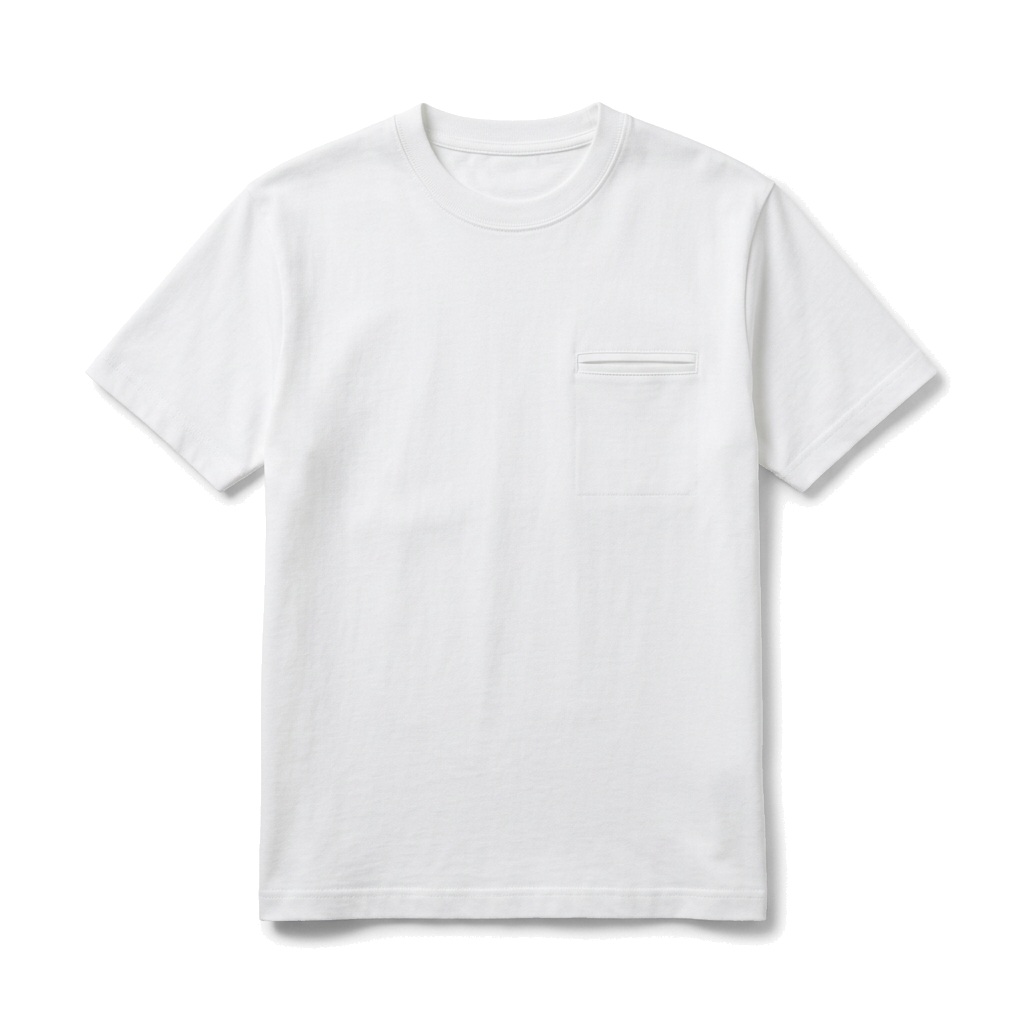
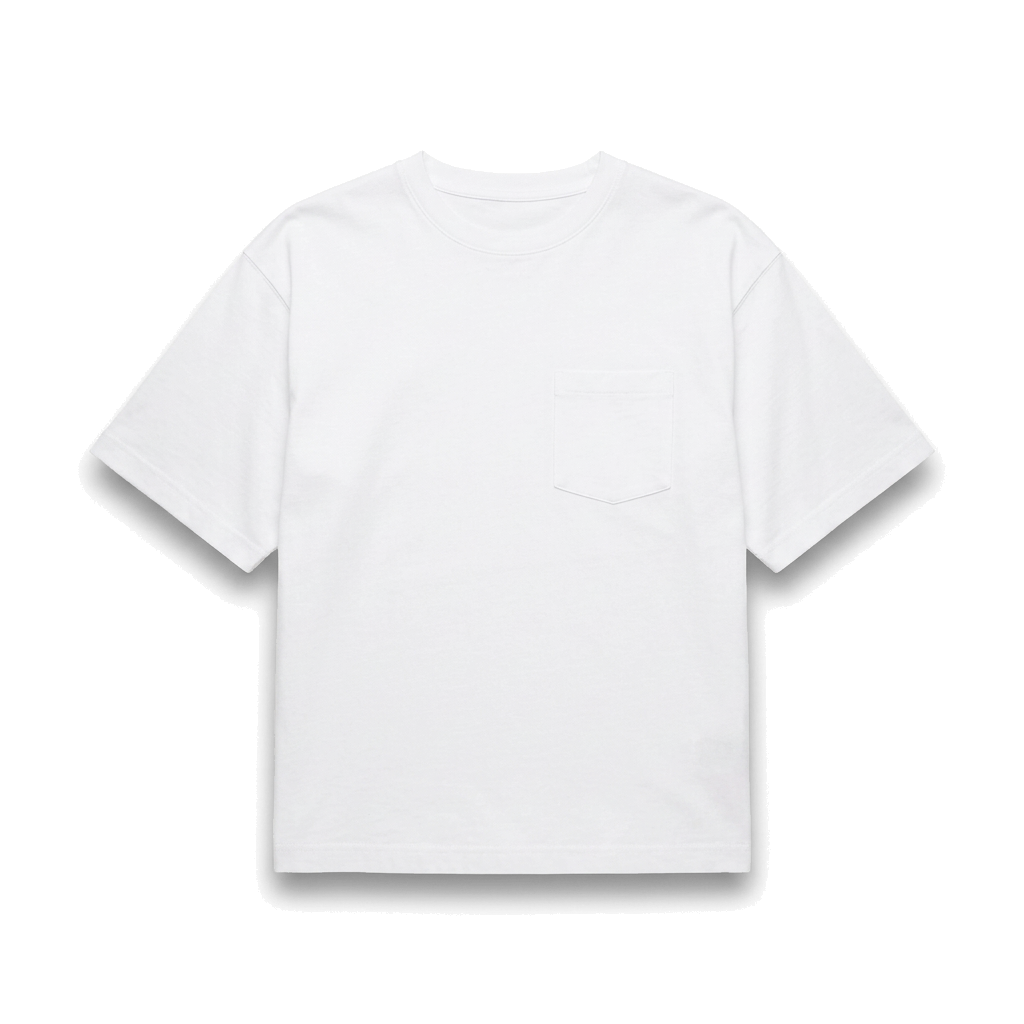
Cropped Pocket T-shirt